Signs of Diabetes in Dogs: What To Watch Out For
The signs of diabetes in dogs can be easy to miss at first, because they often develop gradually and may resemble normal aging. But diabetes is a serious, progressive condition and the sooner it’s caught, the better your dog’s quality of life will be. Knowing what to watch for could make a significant difference in your dog’s long-term health, which is why understanding the early warning signs of diabetes in dogs matters for every Evergreen Park pet owner.
What Is Diabetes in Dogs?
Canine diabetes mellitus is a condition in which the body either doesn’t produce enough insulin (Type 1, the most common form in dogs) or cannot use insulin effectively. Insulin is a hormone produced by the pancreas that allows cells to absorb glucose from the bloodstream and use it for energy. Without adequate insulin function, glucose accumulates in the blood while the body’s cells are essentially starved of energy.
Dogs of any age can develop diabetes, but it is most commonly diagnosed in middle-aged to older dogs, typically between seven and ten years of age. Females are more commonly affected than males, as are certain breeds including Samoyeds, Australian Terriers, Miniature Schnauzers, Miniature and Toy Poodles, Pugs, and Bichon Frises. The team at LePar Animal Hospital in Evergreen Park, IL screens at-risk dogs routinely and can diagnose diabetes with a straightforward blood and urine test.
Early Signs of Diabetes in Dogs
The early signs of canine diabetes are often referred to as the “four polys”, four classic symptoms that appear when blood glucose levels are chronically elevated. Recognizing these signs and reporting them to your veterinarian promptly gives your dog the best chance at an early diagnosis and effective management.
Excessive Thirst (Polydipsia)
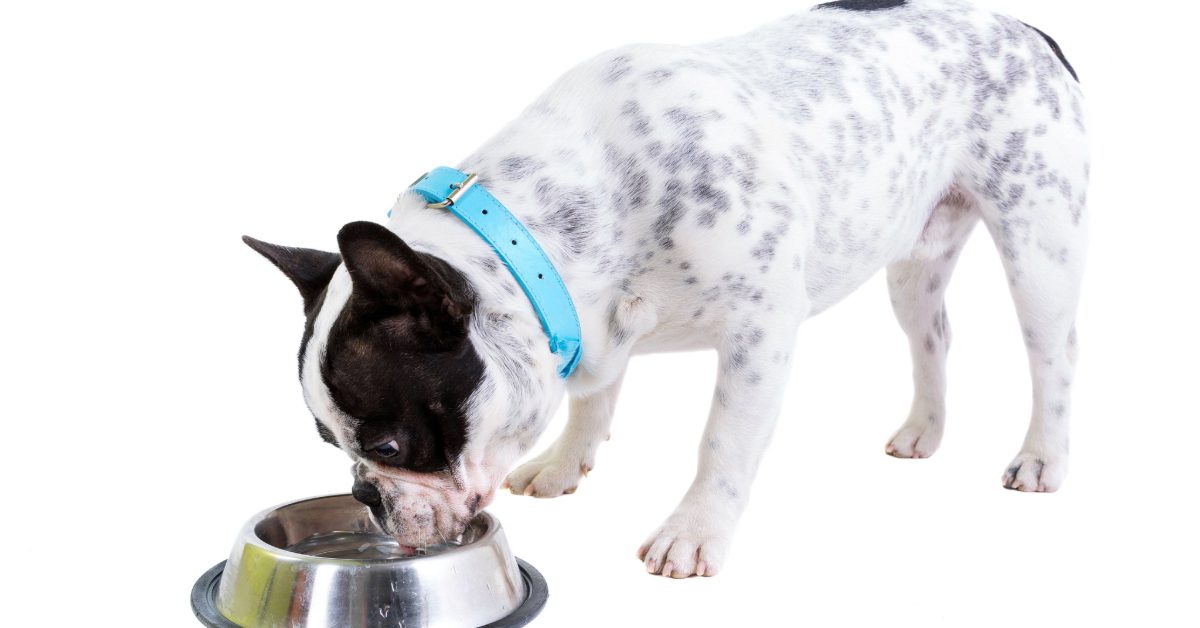
One of the earliest and most consistent signs of diabetes in dogs is a dramatic increase in water consumption. Diabetic dogs drink far more water than usual because elevated blood glucose causes the kidneys to filter large amounts of fluid into the urine, triggering intense thirst. If your dog is emptying their water bowl rapidly, seeking out additional water sources, or drinking from puddles or toilets, this is a sign worth reporting to your vet.
Frequent Urination (Polyuria)
Paired closely with excessive thirst, frequent urination is another hallmark sign of diabetes in dogs. The kidneys work to flush excess blood glucose out of the body, producing large volumes of dilute, glucose-rich urine. Dogs may begin having accidents indoors, need to go out more frequently, or wake you up overnight to urinate. Some dog owners initially assume their dog has a urinary tract infection when what they’re actually seeing is a sign of diabetes.
Increased Appetite (Polyphagia)
Because the body’s cells can’t absorb glucose properly, a diabetic dog may feel persistently hungry despite eating regularly. The body essentially interprets the cellular energy deficit as starvation, driving a strong appetite signal. If your dog seems ravenous at every meal or is food-seeking between feedings in a way that’s out of character, that’s worth discussing with your veterinarian.
Unexplained Weight Loss (Despite Good Appetite)
One of the more paradoxical signs of diabetes in dogs is weight loss that occurs even when the dog is eating well. Because glucose cannot enter the cells, the body turns to muscle and fat reserves for energy. This leads to progressive muscle wasting and weight loss over time. A dog that is eating more but losing weight is always a cause for concern and warrants prompt veterinary attention.
Additional Signs of Canine Diabetes to Watch For
Beyond the four classic symptoms, there are several other signs of diabetes in dogs that may appear as the condition progresses or when blood glucose is poorly controlled. These include:
- Cloudy eyes (cataracts): Dogs with diabetes commonly develop cataracts, sometimes very rapidly. The excess glucose in the lens of the eye causes it to become opaque, leading to impaired vision or blindness. Cataracts in a dog that wasn’t previously affected by them are a strong indicator of diabetes.
- Lethargy and weakness: Without adequate glucose reaching the body’s cells, energy levels drop. Diabetic dogs may seem unusually tired, reluctant to exercise, or generally less enthusiastic than usual.
- Recurring infections: Elevated blood glucose creates an environment that fosters bacterial growth, making diabetic dogs more prone to urinary tract infections, skin infections, and other recurrent bacterial problems.
- Vomiting: In advanced or uncontrolled diabetes, dogs may develop diabetic ketoacidosis (DKA), a life-threatening metabolic crisis that can cause vomiting, lethargy, and loss of appetite. DKA is a veterinary emergency.
- Sweet or fruity-smelling breath: The breakdown of fat for energy produces ketones, which can give the breath a sweet or fruity smell in dogs with poorly controlled or undiagnosed diabetes.
What Causes Diabetes in Dogs?
Canine diabetes can result from a variety of factors. The most common form is insulin-deficient diabetes, similar to Type 1 diabetes in humans, where the pancreas fails to produce enough insulin. Chronic pancreatitis or inflammation of the pancreas is a leading contributor, as repeated bouts of pancreatitis can destroy the insulin-producing cells over time. Other risk factors include:
- Obesity, which contributes to insulin resistance
- Hormonal diseases like hyperadrenocorticism (Cushing’s disease) or hypothyroidism
- Long-term use of corticosteroids
- Intact female dogs, particularly during diestrus (the phase after heat), when progesterone can cause insulin resistance
- Genetic predisposition in certain breeds
How Is Diabetes Diagnosed in Dogs?
Diabetes in dogs is confirmed through bloodwork and urinalysis. Elevated blood glucose (hyperglycemia) combined with glucose in the urine (glucosuria) are the hallmark findings. Your veterinarian may also check fructosamine levels, which reflect average blood glucose over the past two to three weeks and help distinguish a true diabetic state from a transient glucose spike caused by stress.
At LePar Animal Hospital, diagnosing diabetes is followed by a thorough discussion of what the diagnosis means, what treatment will involve, and what realistic expectations look like day to day. Managing canine diabetes is a partnership between the veterinary team and the pet owner.
How Is Canine Diabetes Managed?
Canine diabetes is not curable, but it is very manageable. Many diabetic dogs live happy, active lives with the right care. Treatment typically involves several components working together.
Insulin Therapy
Most dogs with diabetes mellitus require twice-daily insulin injections, given at the same time each day with meals. The prospect of giving your dog injections at home can feel daunting at first, but the needles used are very small and most dogs tolerate the process well. Our team at LePar Animal Hospital will teach you exactly how to draw up and administer insulin safely and confidently.
Consistent Diet and Feeding Schedule
Consistency in feeding is essential for diabetic dogs. Meals should be given at the same time each day, timed around insulin injections. High-fiber, low-glycemic diets help moderate post-meal blood glucose spikes. Your veterinarian will recommend the most appropriate diet for your dog based on their overall health and weight.
Regular Exercise
Moderate, consistent daily exercise helps improve insulin sensitivity and maintain a healthy weight in diabetic dogs. Erratic bursts of intense activity can cause dangerous blood glucose swings, so routine, predictable exercise is preferred. Ask your veterinarian what level of activity is appropriate for your dog’s age and condition.
Routine Monitoring and Veterinary Follow-Up
Managing diabetes in dogs requires regular veterinary rechecks to assess glucose regulation, adjust insulin doses as needed, and monitor for complications. Glucose curves, which is a series of glucose measurements taken throughout the day, help our veterinary team understand how well the current insulin dose is working. Over time, many diabetic dogs reach a stable, well-regulated state that significantly reduces the frequency of these monitoring visits.
What Happens If Diabetes in Dogs Goes Untreated?
Unmanaged diabetes leads to serious complications. Diabetic cataracts can cause permanent vision loss. Diabetic neuropathy may affect nerve function. Most critically, untreated diabetes can progress to diabetic ketoacidosis (DKA), a life-threatening emergency characterized by vomiting, lethargy, loss of appetite, and collapse. If you suspect your dog may have uncontrolled diabetes or DKA, seek emergency veterinary care immediately.
The contrast between untreated and well-managed diabetes is striking. Dogs whose diabetes is caught early and regulated properly can maintain an excellent quality of life for years.
What to Do If You Recognize the Signs of Diabetes in Your Dog
If your dog is showing any of the signs of diabetes such as drinking more, urinating more, eating more, or losing weight unexpectedly, don’t wait to see if things resolve on their own. Schedule an appointment with your veterinarian. A blood and urine test is all it takes to confirm or rule out diabetes, and getting an answer quickly is the single most important thing you can do for your dog’s long-term health.
The team at LePar Animal Hospital in Evergreen Park, IL is experienced in diagnosing and managing canine diabetes and is here to support you and your dog every step of the way. Call us at (708) 423-3200 or book an appointment online today.
Recent Posts
About Us
LePar Animal Hospital has served generations of pets and families in Evergreen Park, Oak Lawn, Palos, and neighboring suburbs, and we hope to serve generations more! Our animal hospital is accredited by the American Animal Hospital Association (AAHA) and staffed with Fear Free Certified veterinarians providing a multitude of services, from wellness and dental care to acupuncture, chemotherapy, and surgery.