Why Is My Dog Peeing A Lot? Should I Be Concerned?
If you’ve noticed your dog peeing a lot more and asked yourself, “Why is my dog peeing a lot?”, you’re right to pay attention. Increased urination in dogs, especially when paired with increased thirst, is one of the most common signs that something may be going on with your dog’s health. Some causes are relatively minor, while others require prompt veterinary care. Either way, understanding why your dog is peeing so much is the first step toward getting them the help they need.
Why Is My Dog Peeing So Much? Understanding the Basics
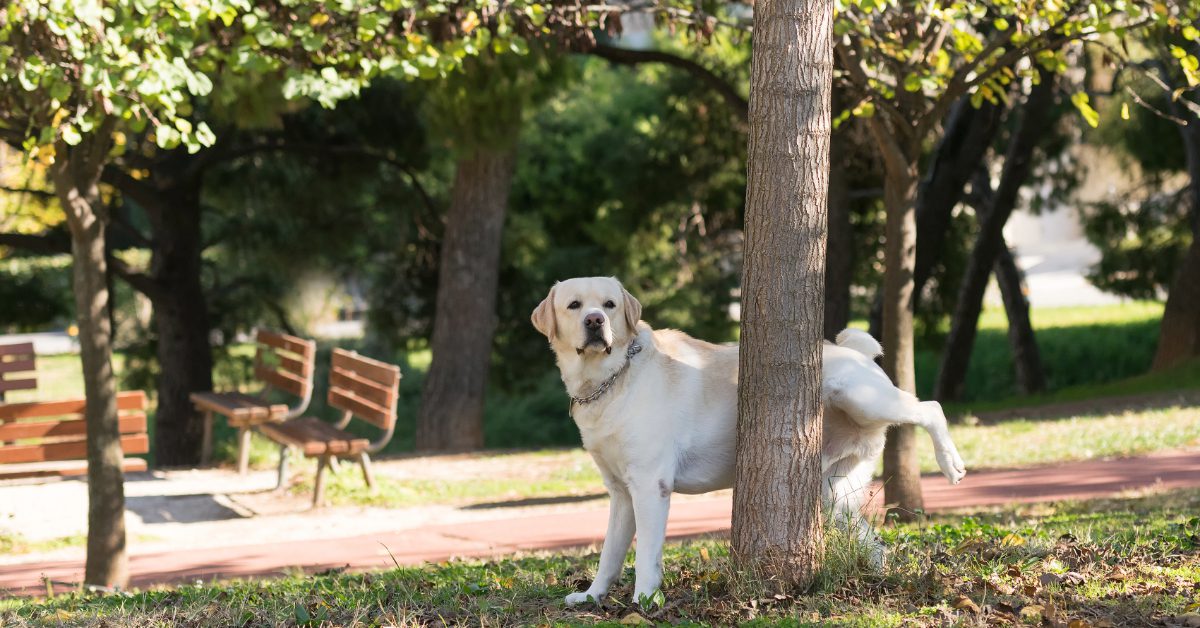
Dogs typically urinate three to five times a day, though this varies with age, size, and how much they drink. When a dog starts peeing significantly more than their normal pattern or has accidents in the house, wakes up to go overnight, or seems unable to hold it, then something has changed. This change in urinary frequency is called polyuria, and it often goes hand-in-hand with polydipsia, which means drinking more water than usual.
If you’re wondering, “Why is my dog peeing a lot all of a sudden?” the answer could be something as straightforward as a dietary change or it could point to a medical condition that needs attention. The team at LePar Animal Hospital in Evergreen Park helps pet owners sort through these symptoms regularly, and the message is consistent: don’t wait it out. Increased urination is worth a veterinary evaluation.
Common Reasons Why Dogs Pee a Lot
There are several potential causes of increased urination in dogs. Some are more common than others, and many require diagnostics to distinguish between them. Here are the conditions your veterinarian will consider when evaluating a dog that is peeing frequently.
Urinary Tract Infection (UTI)
A urinary tract infection is one of the most common reasons dogs urinate frequently. UTIs are caused by bacteria that colonize the bladder or urethra, leading to inflammation and an urgent need to urinate. Dogs with UTIs often strain to urinate, produce only small amounts of urine at a time, and may have blood in their urine. Female dogs are more prone to UTIs than males due to their shorter urethras. UTIs require veterinary diagnosis and antibiotic treatment.
Diabetes Mellitus
One of the classic signs of diabetes in dogs is excessive urination paired with excessive thirst. When blood glucose levels are elevated, the kidneys work to flush the excess sugar through urine, pulling water along with it. This is why diabetic dogs urinate large volumes frequently and drink large amounts of water to compensate. Diabetes requires veterinary diagnosis through bloodwork and urinalysis, and it is managed with a combination of diet, exercise, and insulin therapy.
Cushing’s Disease (Hyperadrenocorticism)
Cushing’s disease occurs when the adrenal glands produce excessive amounts of cortisol. It is most common in middle-aged to senior dogs and is often described as the constellation of symptoms that includes drinking and urinating a lot, a pot-bellied appearance, hair loss, and increased appetite. If your dog is peeing a lot and also seems hungrier than usual or has developed a rounder belly, Cushing’s disease is a possibility worth discussing with your veterinarian.
Kidney Disease
The kidneys play a central role in regulating how much water the body retains. When kidney function declines, dogs lose their ability to concentrate urine and must urinate more frequently to expel waste. Chronic kidney disease is common in older dogs and often presents as increased urination paired with increased thirst, weight loss, decreased appetite, and sometimes vomiting. Early detection through bloodwork is critical for managing this condition.
Liver Disease
The liver helps process and eliminate toxins from the body. When liver function is compromised, the kidneys take on extra work, leading to increased urination. Liver disease can also cause increased thirst and urination because the body tries to compensate for reduced toxin clearance. Other signs may include jaundice, changes in stool color, and loss of appetite.
Pyometra (in Intact Female Dogs)
Pyometra is a serious, life-threatening infection of the uterus that can occur in intact (unspayed) female dogs. Among its many symptoms is increased urination. If your unspayed female dog is suddenly peeing a lot, is lethargic, has a distended abdomen, or has vaginal discharge, seek emergency veterinary care immediately.
Urinary Incontinence
Urinary incontinence, the involuntary leaking of urine, is different from true frequent urination, but it may look similar to pet owners. It is most common in spayed female dogs and is often caused by hormonal changes that weaken the urethral sphincter. Dogs with incontinence may leave wet spots when resting or sleeping and may not even seem aware that they are leaking. This is a very manageable condition with veterinary treatment.
Bladder Stones or Crystals
Mineral deposits in the urinary tract can irritate the bladder lining, leading to frequent urination, straining, and sometimes blood in the urine. These are diagnosed through urinalysis, X-rays, or ultrasound. Treatment depends on the type and size of the stones and may involve a prescription diet, medication, or surgery.
Medications
Certain medications, most notably corticosteroids (like prednisone), cause dogs to drink and urinate significantly more than usual. If your dog recently started a new medication and has begun peeing a lot, this is worth mentioning to your veterinarian. Do not stop any prescribed medication without veterinary guidance.
When Should You Be Concerned About Your Dog Peeing a Lot?
So, should you be concerned if your dog is peeing a lot? In most cases, yes, especially if the change is new, persistent, or accompanied by other symptoms. Here are signs that warrant a prompt veterinary visit:
- Increased thirst alongside increased urination
- Accidents in the house from a previously housebroken dog
- Straining or crying when trying to urinate
- Blood in the urine
- Urinating very small amounts frequently
- Weight loss, lethargy, vomiting, or decreased appetite alongside the urinary changes
- A swollen or distended abdomen (especially in intact female dogs)
How Will Your Vet Diagnose the Cause?
When you bring your dog to LePar Animal Hospital because they’re peeing a lot, our veterinary team will start with a thorough history and physical examination. They’ll ask about the duration and nature of the symptoms, your dog’s diet and water intake, any recent medication changes, and other behavioral observations.
Diagnostic testing typically includes:
- Urinalysis: To check for infection, glucose, protein, crystals, or abnormal cells
- Urine culture: If a UTI is suspected, to identify the specific bacteria and appropriate antibiotic
- Bloodwork: A complete blood count and chemistry panel to evaluate kidney function, liver function, blood glucose, and hormone-related values
- Imaging: X-rays or ultrasound may be recommended to look for bladder stones, tumors, or other structural abnormalities
- Specific hormone tests: If Cushing’s disease is suspected, additional adrenal function testing will be recommended
What Happens After a Diagnosis?
Treatment depends entirely on what’s causing your dog to pee so much. A UTI may resolve with a short course of antibiotics. Diabetes will require ongoing insulin therapy and dietary management. Kidney disease is managed with dietary changes, fluid support, and regular monitoring. Cushing’s disease is treated with medication. Urinary incontinence can often be managed effectively with a daily oral medication.
The important thing to know is that most of these conditions are very treatable, especially when caught early. The sooner you bring your dog in, the more options you have and the better the outcome is likely to be.
What Your Dog’s Urinary Habits Are Telling You
Your dog’s urinary patterns are one of the clearest windows into their overall health. A dog that’s suddenly peeing a lot is telling you something has changed and that message deserves to be heard. Paying attention to bathroom habits, water intake, and any accompanying symptoms is one of the most valuable things you can do as a pet owner.
If your dog is peeing a lot and you’re not sure why, call our team at LePar Animal Hospital in Evergreen Park at (708) 423-3200 or book an appointment online. We’ll help you figure out what’s going on and put together a plan to get your dog feeling their best.
Recent Posts
About Us
LePar Animal Hospital has served generations of pets and families in Evergreen Park, Oak Lawn, Palos, and neighboring suburbs, and we hope to serve generations more! Our animal hospital is accredited by the American Animal Hospital Association (AAHA) and staffed with Fear Free Certified veterinarians providing a multitude of services, from wellness and dental care to acupuncture, chemotherapy, and surgery.