
Tips for Introducing Dogs to Each Other
Introducing dogs to each other the right way can make all the difference between a lifelong friendship and a stressful household. The best tips for introducing dogs to each other center on one key principle: go slow, stay calm, and let the dogs set the pace. Whether you’re bringing home a new puppy, adopting an adult dog, or arranging a playdate, a thoughtful introduction sets both dogs up for success from the very first sniff.
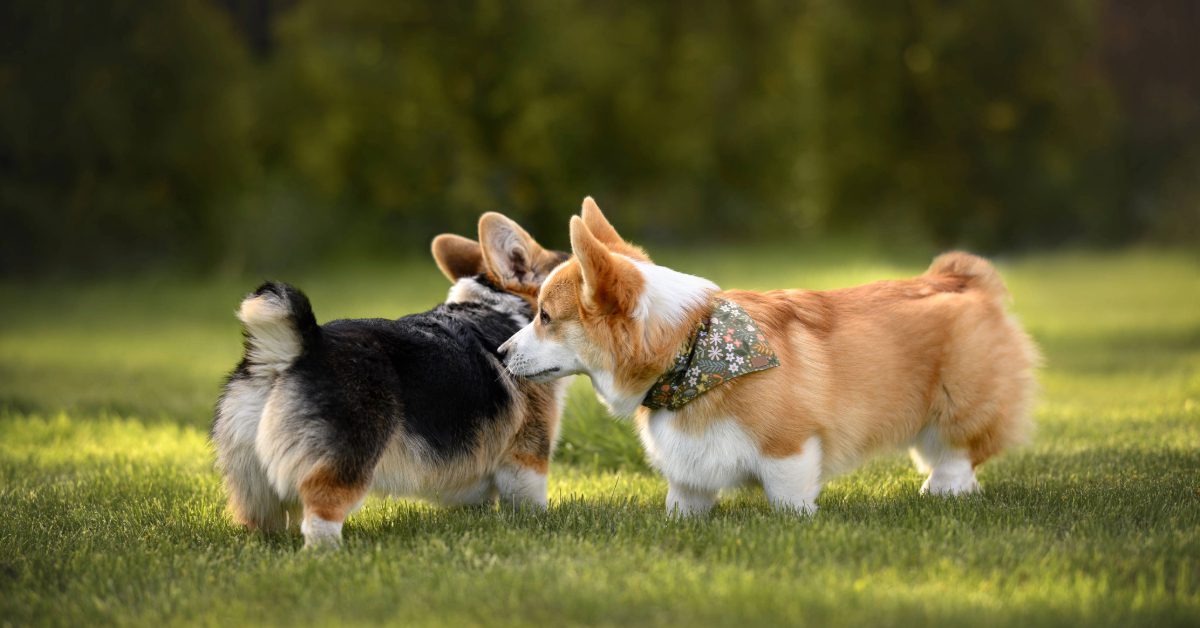
Why Proper Dog Introductions Matter
Dogs are social animals, but they have their own communication styles, boundaries, and comfort levels. A rushed or poorly managed first meeting can create fear, territorial aggression, or lasting anxiety that makes future interactions more difficult. Taking the time to introduce dogs correctly isn’t just about preventing a fight, it’s about building a foundation for a positive relationship between your pets.
At LePar Animal Hospital in Evergreen Park, our veterinary team is often asked how to introduce a new dog to a resident dog at home. The good news is that with the right approach, most dogs can learn to coexist and even thrive together.
How to Introduce Two Dogs for the First Time
The first meeting between dogs is the most important one. Setting it up correctly gives both dogs the best chance of a calm, positive interaction. Here’s how to do it well.
Choose a Neutral Location
One of the most important tips for introducing dogs to each other is to meet on neutral ground. Your resident dog may feel territorial at home, so a first meeting in your backyard or living room can trigger a defensive reaction. Instead, choose a neutral location like a quiet park, an empty parking lot, or a calm stretch of sidewalk that neither dog considers their territory.
Use Parallel Walking
Parallel walking is one of the most effective ways to introduce two dogs. Walk both dogs in the same direction, a comfortable distance apart, allowing them to become aware of each other without direct pressure. Gradually decrease the distance between them as both dogs remain calm and relaxed. This allows them to sniff the air, observe body language, and decompress without the intensity of a face-to-face greeting.
Allow a Natural Greeting
When both dogs appear relaxed, you can allow them to greet. Let them approach each other in a natural arc. Dogs prefer to greet from the side rather than head-on, which can feel confrontational. Keep leashes loose. Tight leashes communicate tension and can actually escalate stress in both dogs. Allow them to sniff each other briefly, then redirect their attention and continue walking before things get overly stimulated.
Tips for Introducing a New Dog to Your Resident Dog at Home
Once the initial outdoor introduction has gone well, it’s time to transition to the home environment. This phase requires just as much patience and planning as the first meeting.
Prepare Your Home Before the New Dog Arrives
Before bringing a new dog home, set up separate spaces for each dog. Each dog should have their own food bowl, water bowl, bed, and crate or safe space. Pick up your resident dog’s favorite toys and high-value items to reduce the chances of resource guarding during the early adjustment period. Baby gates can be a helpful tool for giving each dog their own zone within the home.
Introduce Scent Before Full Contact
Before the new dog enters your home, let your resident dog sniff a blanket or item that belongs to the newcomer. Scent is the primary way dogs gather information about other animals, so this kind of low-pressure introduction can reduce the novelty and the potential stress of the new dog’s arrival.
Supervise All Early Interactions
Never leave two dogs together unsupervised until you are completely confident they have developed a stable, comfortable relationship. Even dogs that appear friendly can have disagreements over resources, space, or attention. Crating or separating the dogs when you can’t actively supervise them is a wise practice during the first few weeks.
Reading Dog Body Language During Introductions
Knowing how to read body language is one of the most valuable skills when introducing dogs to each other. Dogs communicate a great deal through their posture, tail position, ear set, and facial expressions. Understanding what you’re seeing allows you to intervene before a situation escalates.
Signs of a Comfortable, Relaxed Dog
- Loose, wiggly body posture
- Tail wagging in a relaxed, mid-height position
- Play bows (front end down, back end up)
- Soft, relaxed facial muscles
- Mutual sniffing without tension or freezing
Warning Signs to Watch For
- Stiff, rigid body posture or a tall, forward-leaning stance
- Hard stare with direct, unblinking eye contact
- Tail held high and rigid or tucked tightly under the body
- Hackles raised along the back
- Growling, snapping, or lunging
- One dog repeatedly trying to escape or hide from the other
If you observe any warning signs, calmly interrupt the interaction by redirecting each dog’s attention with a treat or toy, and increase the distance between them. Do not punish growling. It is a form of communication and suppressing it can lead to dogs that bite without warning.
How Long Does It Take for Dogs to Get Along?
One of the most common questions pet owners ask when introducing dogs to each other is how long the process takes. The honest answer: it depends. Some dogs hit it off within a few days, while others need several weeks or even months to feel fully comfortable with a new companion.
Factors that affect the timeline include the dogs’ individual temperaments, past socialization experiences, age, and energy levels. A senior dog being introduced to a high-energy puppy may need more time and more structured separations throughout the day. Be patient, celebrate small wins, and resist the urge to rush the process.
Special Considerations for Introducing Puppies to Adult Dogs
Puppies can be overwhelming for adult dogs. Their boundless energy, lack of bite inhibition, and relentless desire to play can stress out even the most laid-back adult dog. When introducing a puppy to a resident adult dog, it’s important to give the adult dog regular breaks and a safe space they can retreat to or somewhere the puppy cannot follow.
If your adult dog growls at or corrects the puppy, this is often normal communication. As long as the correction is brief and not physically harmful, allow it. The adult dog is teaching the puppy about appropriate boundaries. However, if the adult dog’s reactions seem extreme or the puppy is becoming fearful, consult with your veterinarian at LePar Animal Hospital or a certified professional dog trainer for guidance.
When to Ask for Professional Help with Dog Introductions
Most dog introductions go smoothly with patience and proper management. But some dogs have histories of fear, aggression, or reactivity that make introductions more complex. Signs that you may benefit from professional support include:
- Persistent growling, snapping, or lunging that doesn’t de-escalate
- A dog that refuses to eat, drink, or relax in the presence of the other dog after several weeks
- A dog with a known history of dog-dog aggression
- An introduction involving a very small dog and a much larger dog
- Any introduction that results in a dog fight
The team at LePar Animal Hospital in Evergreen Park can help you assess your dogs’ health, temperament, and any behavioral concerns before and after a new dog introduction. We can also refer you to trusted certified trainers or veterinary behaviorists when a more specialized approach is needed.
Setting Your Dogs Up for a Lifelong Bond
Introducing dogs to each other is one of the most meaningful things you can do as a pet owner. With the right preparation, a calm environment, and a commitment to going at your dogs’ pace, most introductions lead to happy, companionable relationships that enrich the lives of your pets and your whole family.
If you have questions about your dogs’ health or behavior as you navigate a new introduction, the team at LePar Animal Hospital is here to help. Call us at (708) 423-3200 or book an appointment online today.
Recent Posts
About Us
LePar Animal Hospital has served generations of pets and families in Evergreen Park, Oak Lawn, Palos, and neighboring suburbs, and we hope to serve generations more! Our animal hospital is accredited by the American Animal Hospital Association (AAHA) and staffed with Fear Free Certified veterinarians providing a multitude of services, from wellness and dental care to acupuncture, chemotherapy, and surgery.